TalentCards Research
Microlearning: The Ultimate Guide


What is microlearning?
Most training courses ask for too much time and deliver too little. Learners lose focus, completion rates drop, and the knowledge doesn’t stick.
Microlearning takes a different approach. Instead of long courses, it delivers short, focused lessons that teach one concept or skill at a time. Each session takes just a few minutes and can be delivered through mobile apps, quizzes, videos, or interactive cards. With a platform like TalentCards, organizations can build and deliver microlearning across their teams in minutes.
What are the main characteristics of a microlearning course?
Microlearning courses look and feel different from traditional training. Here’s what defines them.

Short by design
Most lessons take just a few minutes to complete, making them easy to fit between tasks or during a break.
One topic per lesson
Each session covers a single concept or skill, so learners know exactly what they’re working on.
Interactive formats
Flashcards, quizzes, short videos, and scenario-based activities keep lessons hands-on rather than passive.
Mobile-ready
Lessons are built for smartphones, so learners can train wherever they are.
What are the benefits of microlearning?
Learners stay focused and remember more
When a lesson covers just one idea, there’s less room for distraction. Short, focused sessions help learners absorb information and recall it when it matters.
Completion rates go up
A five-minute lesson on a phone is easier to finish than an hour-long course on a laptop. Removing friction from training means more learners actually complete it.
Skill gaps close faster
Need someone up to speed on a new process by Friday? Short, targeted lessons are built for just-in-time learning, so gaps get filled when they matter most.

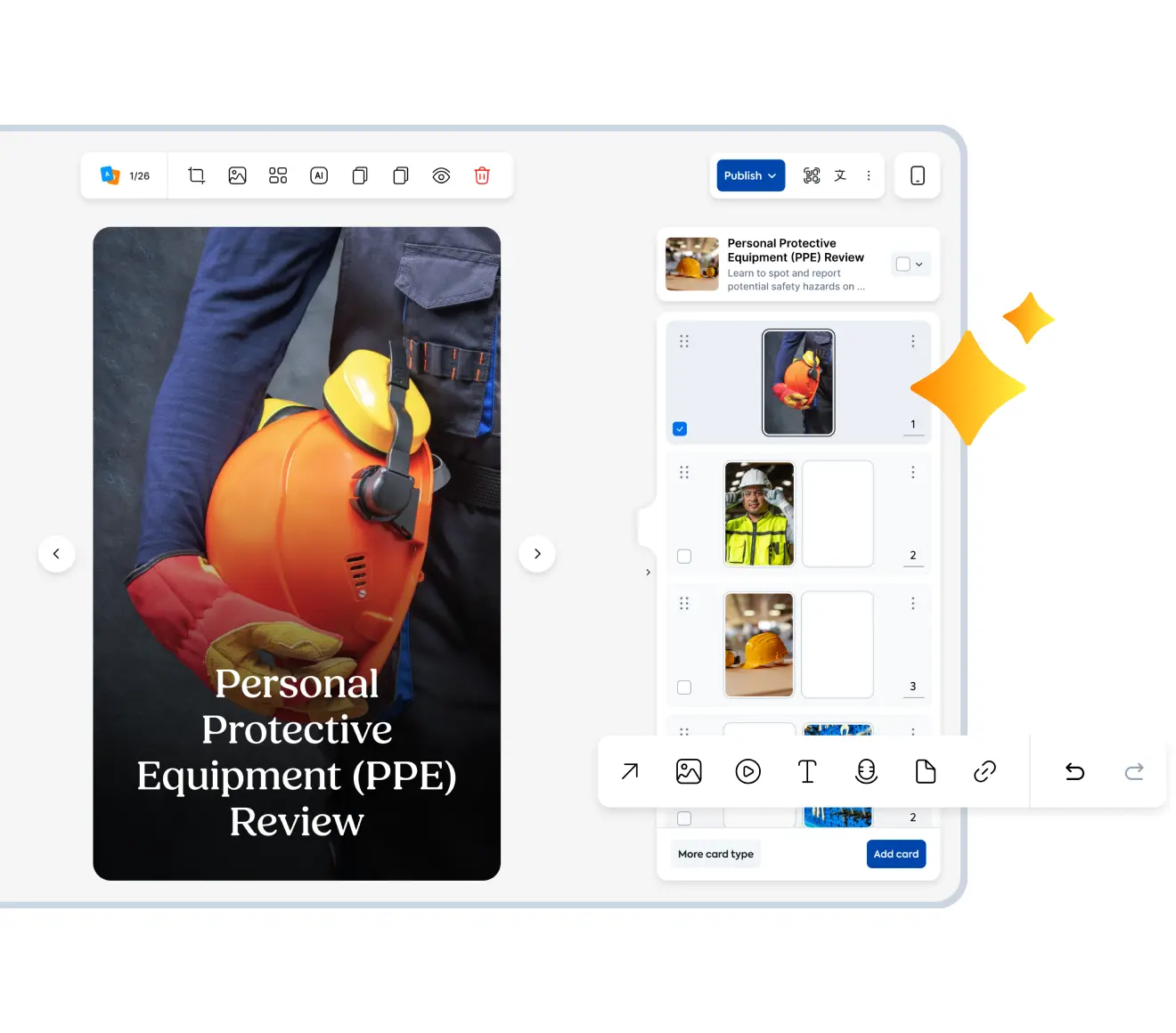
Content is quicker to build and keep current
Updating a two-minute lesson takes a fraction of the time it takes to rebuild a full course. When processes change, training stays relevant without a major rework.
Training costs less at scale
Shorter lessons need fewer resources to produce and maintain. For organizations training hundreds or thousands of people, the savings add up.
Fits into the workday without disrupting it
Not everyone has an hour to spare for training. Microlearning fits into short breaks, shift changes, or downtime between tasks, so learning happens without pulling people away from their work.
Why is microlearning a better way of training?
People forget up to 70% of new information within 24 hours (the forgetting curve), which is why single training sessions fail. Microlearning combats this. Short, easily revisited lessons encourage spaced repetition, helping the brain retain information longer. Focusing each lesson on one concept further reduces what needs to be remembered.
50%
Higher engagements
Generates 50% more engagement.
3x
Time-saver
Can be developed 3x faster than traditional learning.
50%
Cost-effective
Requires 50% less cost in development compared to traditional learning.
3-7mins
Better retention
Learning in 3-7 minute chunks is a perfect match to the brain’s working memory ability.
Is microlearning right for every type of training?
Microlearning excels at teaching specific skills, reinforcing knowledge, or offering quick information (e.g., compliance, updates, reminders, onboarding). It is less suited for topics needing deep exploration, extended practice, or complex problem-solving (e.g., manager conflict resolution, technical certification study).
| Microlearning works well for | Consider longer formats for |
|---|---|
 Quick-reference procedures and checklists Quick-reference procedures and checklists | In-depth technical or certification training |
| Product knowledge updates | Complex soft skills that need practice and reflection |
| Compliance and safety refreshers | Topics that require extended case studies or simulations |
| Onboarding basics and company culture | First-time learning of entirely new, complex subjects |
Examples of microlearning
Microlearning can take many forms depending on the training goal.
-
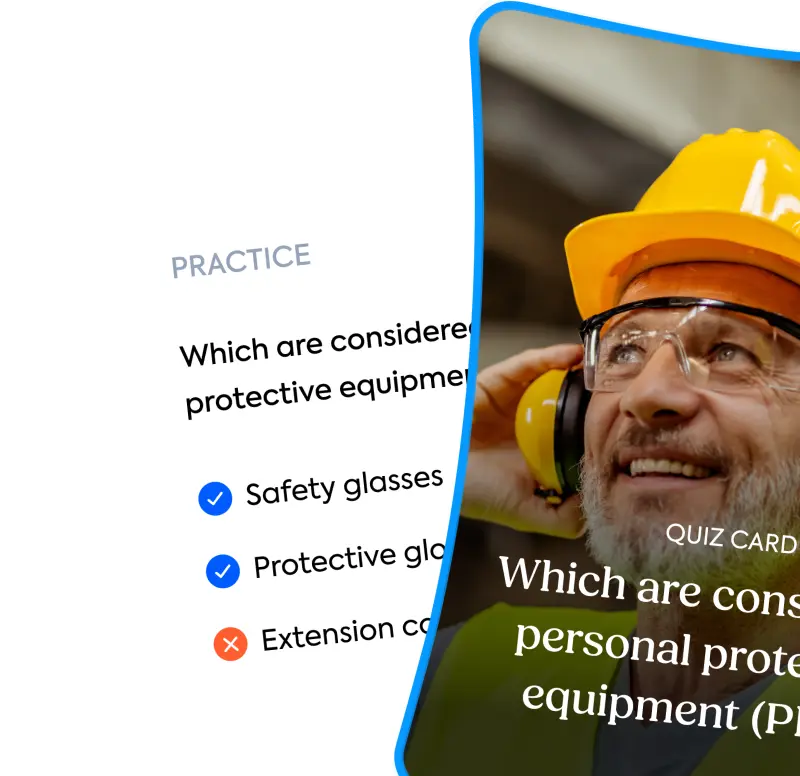
Flashcards
Quick cards that help learners review key concepts or terminology.
-
Short explainer videos
Two- or three-minute videos that introduce new ideas or demonstrate processes.

-
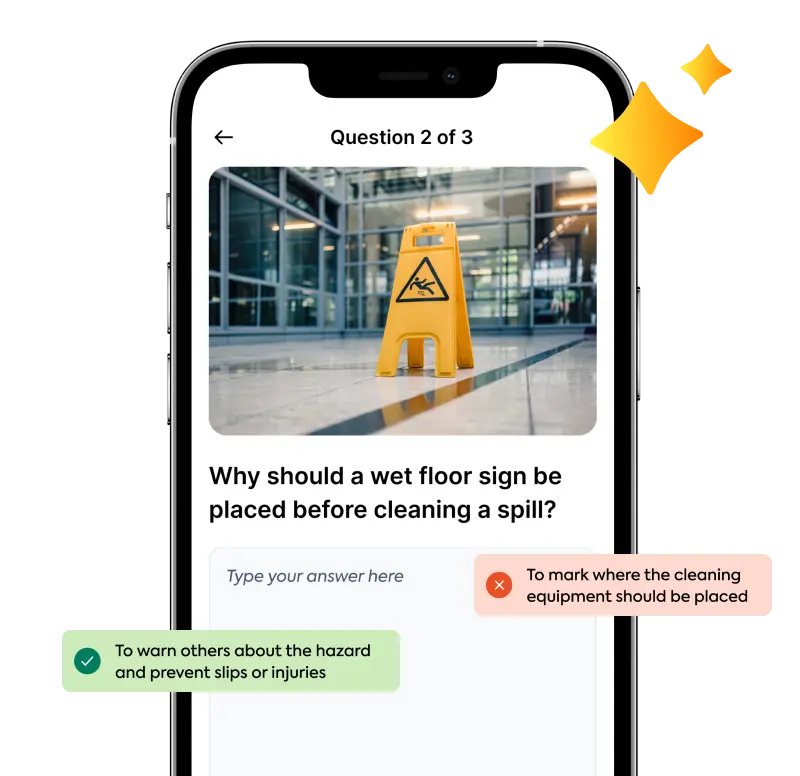
Quick quizzes
Short assessments used to reinforce knowledge and check understanding.
-
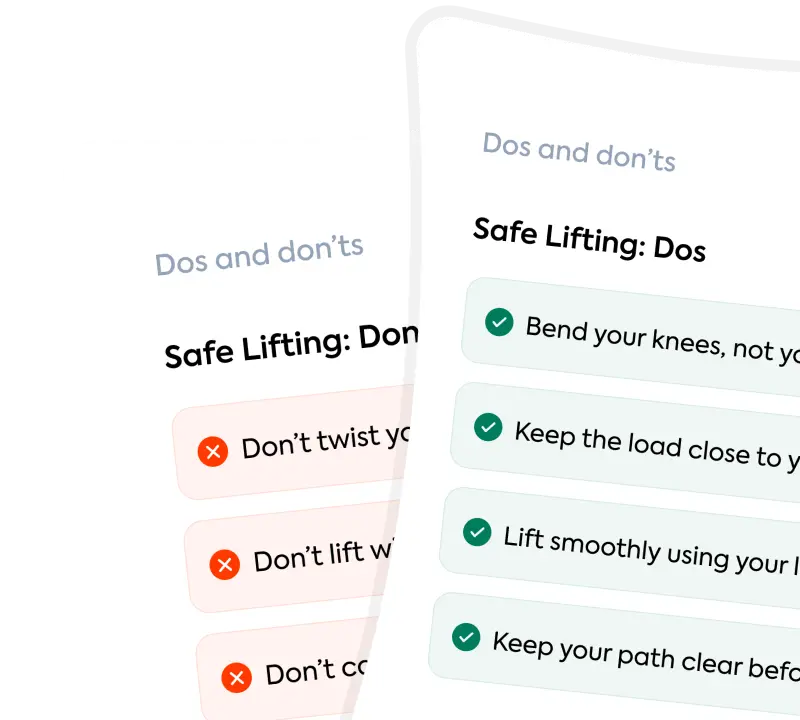
Dos and don’ts
Exercises that provide employees with clear guidelines on what they should and shouldn’t do in a particular situation.
Gamification in microlearning
Short, gamified lessons are highly effective. Gamification—using points, badges, leaderboards, and challenges—motivates learners, turning required training into desired completion.
With TalentCards, badges, and challenges are fully customizable. You can set the rules: Which lessons to complete, by when, how many points to earn, or how many consecutive days to log in.
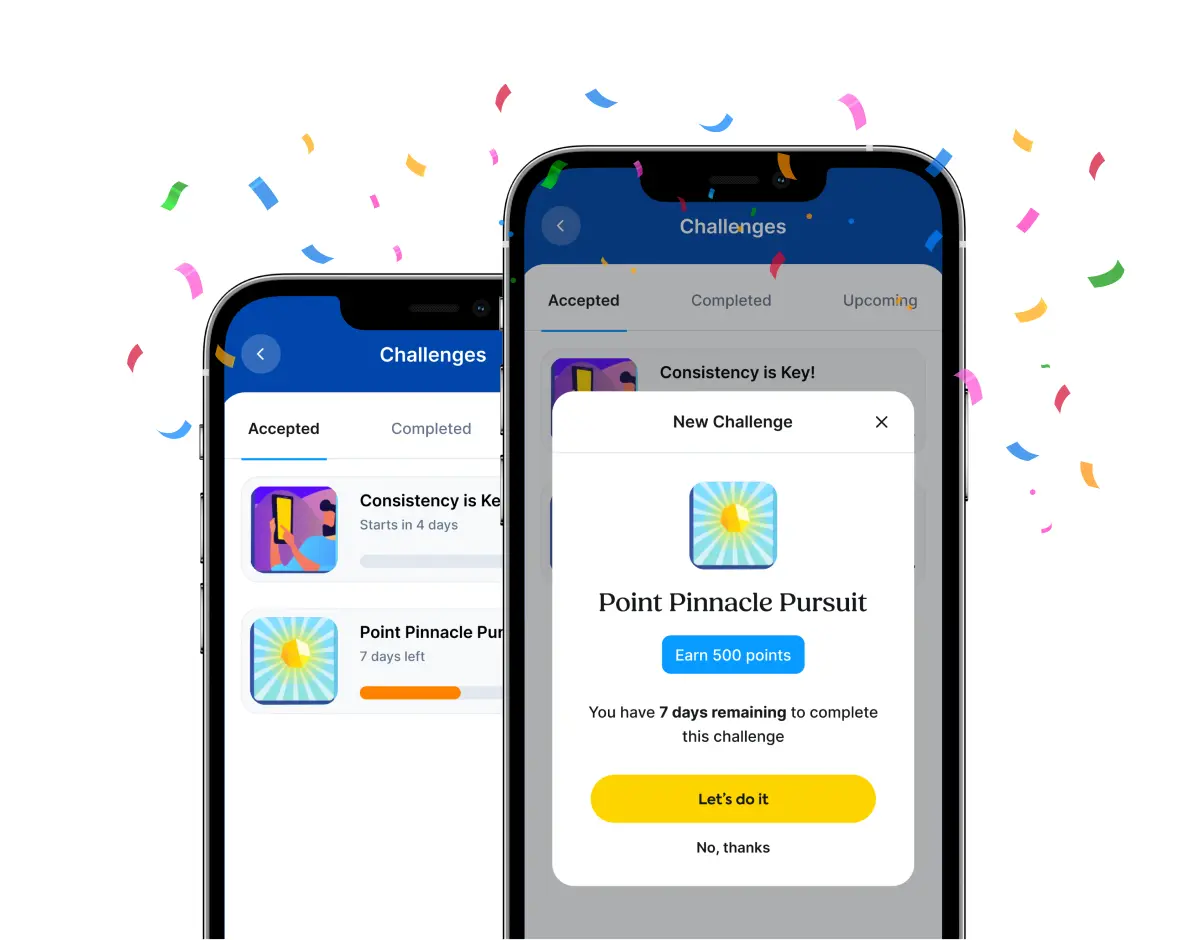
Common gamification elements in microlearning include:
Points and leaderboards
Learners earn points as they complete lessons and quizzes. A team leaderboard adds friendly competition and keeps motivation visible.
Badges
Learners unlock badges when they hit milestones, like finishing a course series or reaching a point target. Badges give them something to show for their progress.
Challenges
Custom challenges push learners to hit specific goals: Complete a set of lessons by a deadline, accumulate a target score, or log in consistently over a period.
Timed quizzes
Instead of standard multiple-choice, gamified quizzes ask learners to earn a certain number of points within a time limit to pass. It adds pressure in the right way: Enough to keep focus, not enough to cause stress.
Certificates
Award certificates when learners complete a course or pass a final assessment. Certificates give learners proof of their progress and help managers track who’s trained.
Microlearning use cases
Microlearning can support many types of training programs across industries. Its short, focused lessons make it especially useful when employees need quick access to practical knowledge.

Deskless training
Short, tap-through phone lessons your frontline teams can complete on the job, wherever the shift takes them.

Reinforcement training
Quick refreshers and spaced repetition that turn key knowledge into a habit long after onboarding.

Compliance training
Bite-sized, engaging lessons that keep safety and standards top of mind—and prove completion without chasing paper.
Microlearning and mobile delivery
Around 96% of people worldwide access the internet via a mobile phone, compared to just 62% via a laptop or desktop.
Why it matters
For many learners, especially deskless and frontline workers, a phone is their primary device. Microlearning is built for this reality.
Short, focused lessons fit the way people already consume content on their phones. Quick sessions between tasks, a quiz during a break, a refresher before a shift. The format mirrors the scroll-and-learn habits that social media has made second nature, particularly for younger generations entering the workforce.
Our approach
Mobile delivery also makes reinforcement practical. When training lives on a device that’s always within reach, learners are far more likely to revisit material. And that repetition is what turns short-term knowledge into long-term retention.
With TalentCards, every lesson is designed for mobile from the start. Learners train on their phones, on their schedule, wherever they are.

Microlearning best practices
To get the most value from microlearning, here are a few microlearning best practices to follow.
Focus on one objective
Each lesson should teach a single concept or skill.
Keep lessons short
Most microlearning content should take 3-7 minutes to complete.
Use spaced repetition
Revisiting key ideas over time helps reinforce learning.
Add quick assessments
Short quizzes help learners check their understanding.
Design for mobile
Content should be optimized for smartphones and quick interactions.
Frequently asked questions
What makes a good microlearning course?
A good microlearning course is short (under 10 minutes), focused on a single topic, and easy to access on any device. It should include an interactive element like a quiz or scenario to reinforce the lesson. The best microlearning courses are also easy to update, so content stays accurate as processes change.
What is the purpose of microlearning?
Microlearning helps people learn specific skills or concepts quickly, without sitting through long training sessions. Instead of covering everything at once, it breaks topics into small, focused lessons that are easier to absorb and remember. It’s especially useful for on-the-job training, refreshers, and compliance topics where quick access to the right information matters.
What is the difference between microlearning and nanolearning?
Nanolearning refers to extremely short learning activities, usually under two minutes, like a single flashcard or a quick reminder. Microlearning lessons are slightly longer (typically two to ten minutes) and go deeper into a single concept or skill. In practice, both approaches are used together to reinforce knowledge over time.
Is microlearning effective?
Yes, research shows that focused lessons improve both engagement and knowledge retention compared to longer training formats. Learners are more likely to complete microlearning courses, and spaced repetition (revisiting key ideas over time) helps the information stick. Organizations that use microlearning often see higher completion rates and faster time-to-competency.

Ready to try microlearning with your team?
Build your first microlearning course in minutes. TalentCards gives you everything you need to create, deliver, and track short lessons your team will actually complete.